

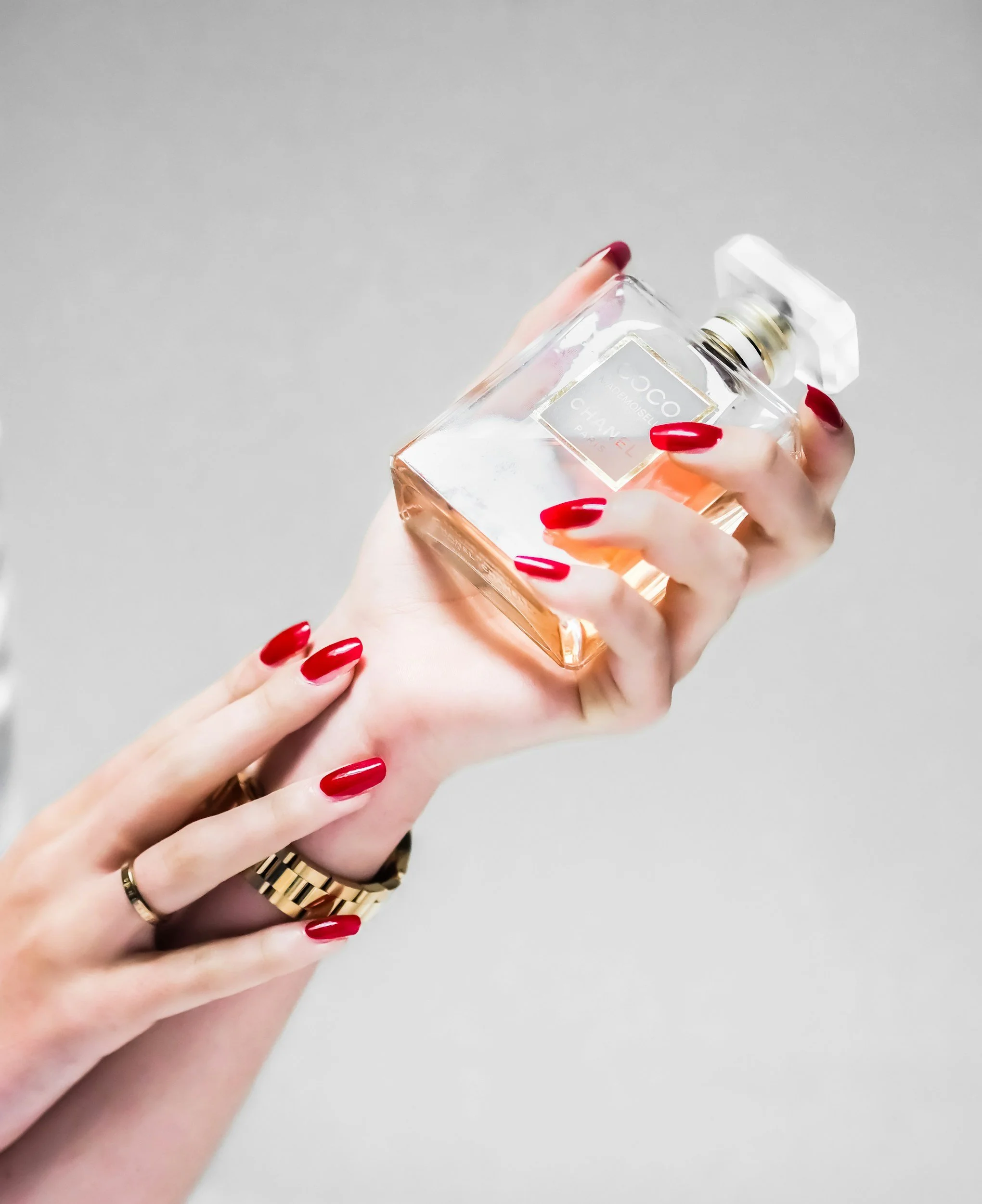
Perfume as Identity: How to Choose Your Fall Fragrance, and Why Smell Connects to Cultural Memory More Than Any Other Sense
Smell has a direct connection to memory and emotion, stronger than any other sense, and that makes a perfume more than just an accessory: it's often a link to memories and to cultural identity. Choosing your fall fragrance is an opportunity to think about that connection, beyond simply following what's trendy.
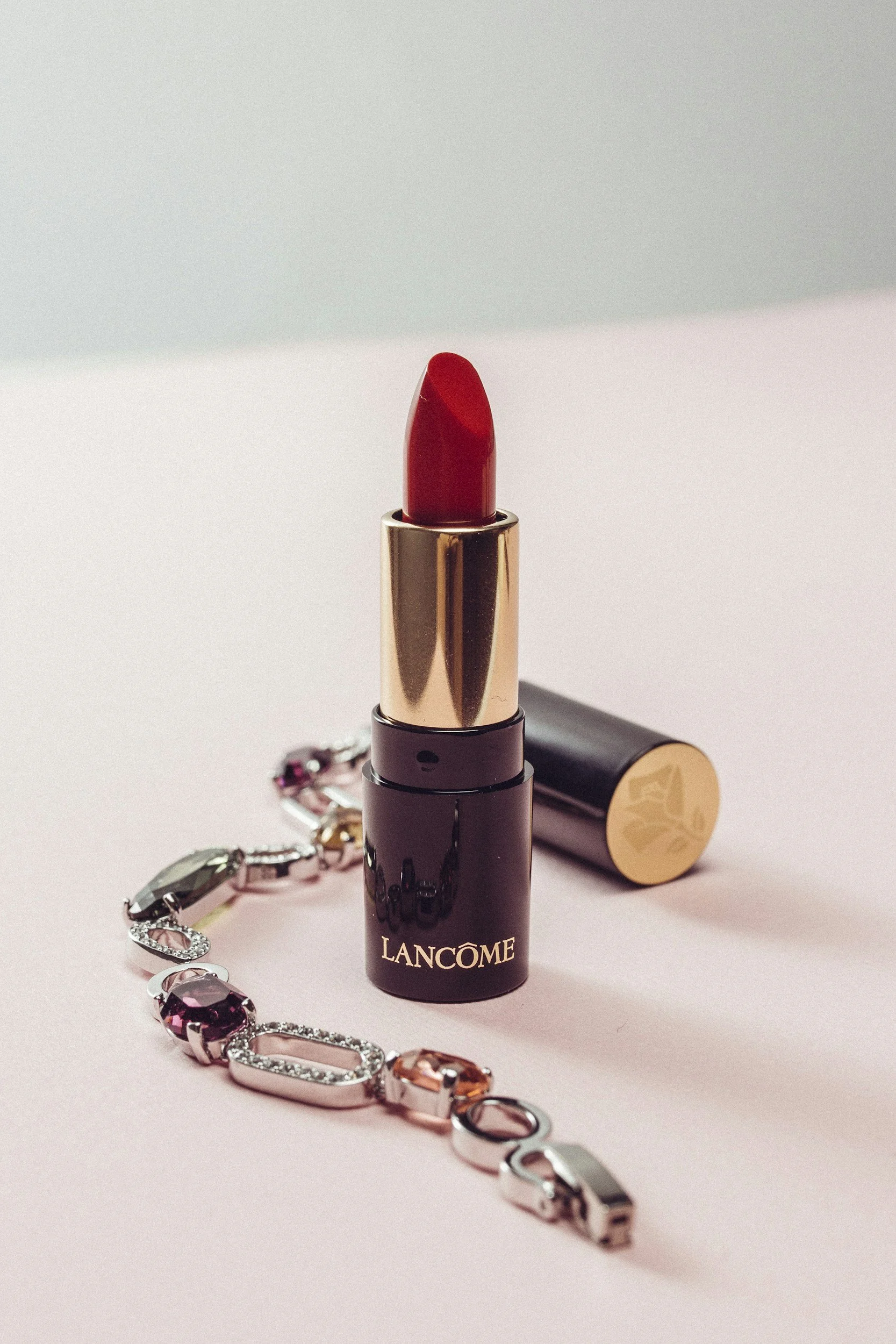
Fall Makeup: How to Transition from Summer Tones to the New Season's Without Looking Like a Costume
Every fall, beauty brands launch collections with burgundy, terracotta, and deep brown tones, and it's easy to feel like you need to overhaul your whole makeup bag to "be on trend." But the transition from summer to fall makeup doesn't require a big purchase: it requires knowing how to adjust what you already have with a couple of key pieces.

The Transitional Wardrobe: How to Dress Well Between Seasons Without Buying New Clothes
Those weeks when it's cold in the morning and warm at midday are, for many, the most frustrating time for their closet: nothing seems to quite work. The good news is that dressing well through this transition doesn't require buying new clothes, just learning to combine what you already have in different ways.
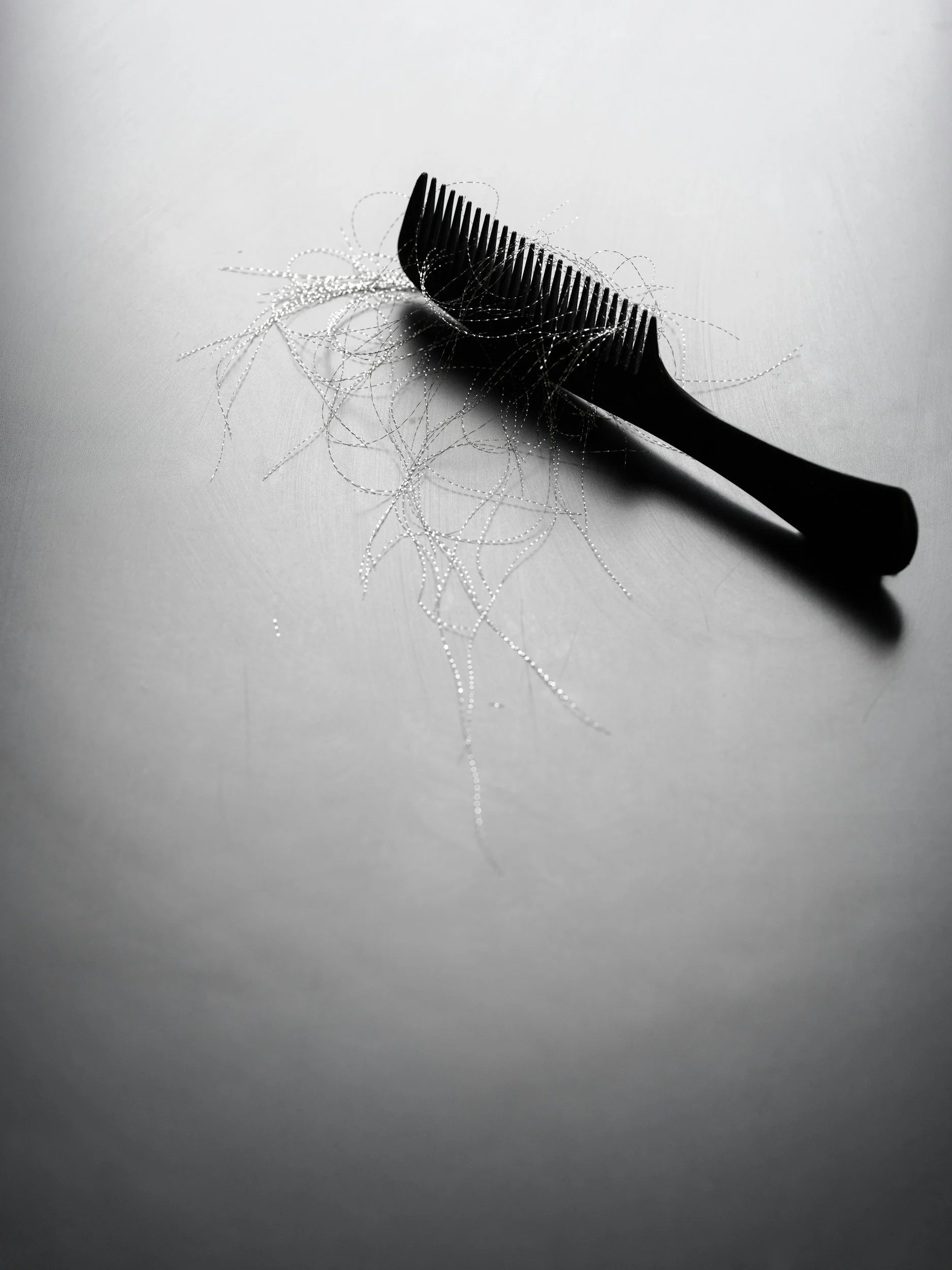
Hair in the Change of Season: Why It Sheds More in Fall and What to Do So It Doesn't Become a Crisis
If you've noticed more hair than usual on your brush or in the shower these past few weeks, you're not imagining things, and it's not necessarily a serious problem either: seasonal fall hair shedding is a real, documented phenomenon and, in most cases, temporary.
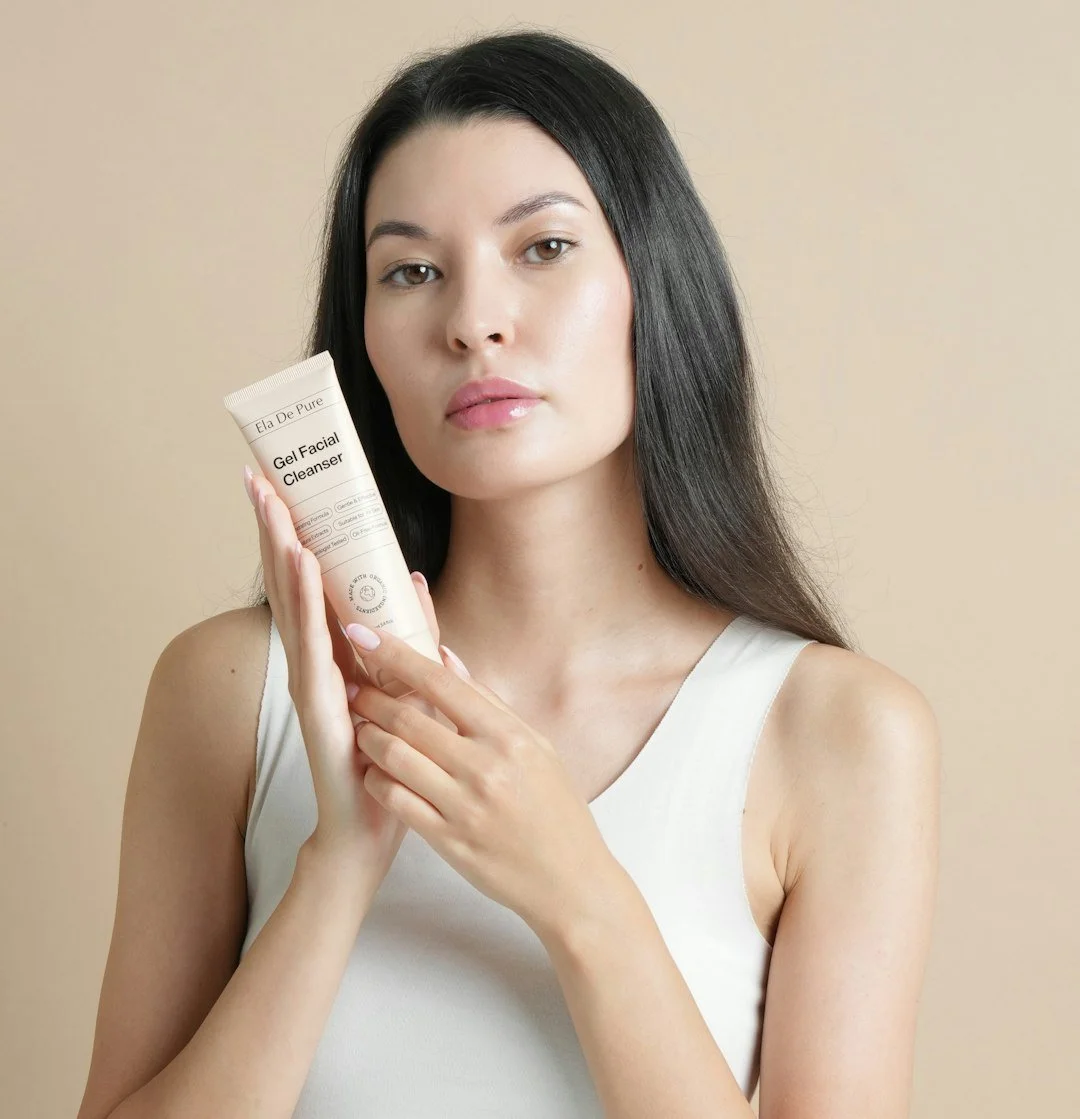
Fall Skincare Routine: How to Adapt Every Step as the Air Dries Out and Your Skin Changes
The routine that worked for you all summer can suddenly start failing you in fall, and it's not that your skin got harder to manage: it's that the environment changed completely. Less humidity in the air, the heat turned on, colder wind outside: all of this calls for different skin care, and adapting it in time prevents weeks of tight, dull, or irritated skin.

Practical Fashion for the Working Mom: How to Build a Wardrobe That Works for Everything Without Spending a Fortune
Between work meetings, the school pickup line, errands, and that unexpected dinner that seems to appear out of nowhere, a working mom’s wardrobe has to do much more than anyone else’s. The problem is usually not a lack of clothes, but a closet full of pieces that do not work well together, creating that all-too-familiar feeling of “I have nothing to wear” while standing in front of an overflowing closet.

The Beauty of Your 40s: How to Change Your Routine as Your Skin Changes and Stop Fighting What Time Naturally Brings
Turning 40 brings changes to the skin that no skincare routine from your 30s can continue to support in quite the same way. It is not that your skin is “getting worse”; its composition, rate of renewal, and needs are changing. Continuing to use the same products you have always used while expecting the same results is one of the reasons many women feel that “nothing works” for them anymore at this stage.

The Trad Wife Style: What’s Behind the Aesthetic of Classic Femininity and How to Make It Your Own Without Letting It Define You
If you spend time on social media, you’ve probably come across the term “trad wife”: women showcasing an aesthetic of classic femininity—embroidered aprons, vintage dresses, freshly baked homemade bread, an immaculate home, and a lifestyle that visually evokes the 1950s. Beyond the debate surrounding it as a lifestyle, one thing is undeniable: as an aesthetic, it has a strong visual language, and many women are drawn to its elements without necessarily subscribing to the complete lifestyle model it represents.

Hair in September: How to Restore Hydration and Structure After Months of Sun, Chlorine, and Salt
Hair is one of the great forgotten areas of post-summer care. While skin usually receives immediate attention, hair arrives in September after months of accumulated exposure to the sun, pool chlorine, sea salt, and air-drying. Often, the first symptom we notice is simply that it “doesn’t look the way it used to,” without fully understanding why.
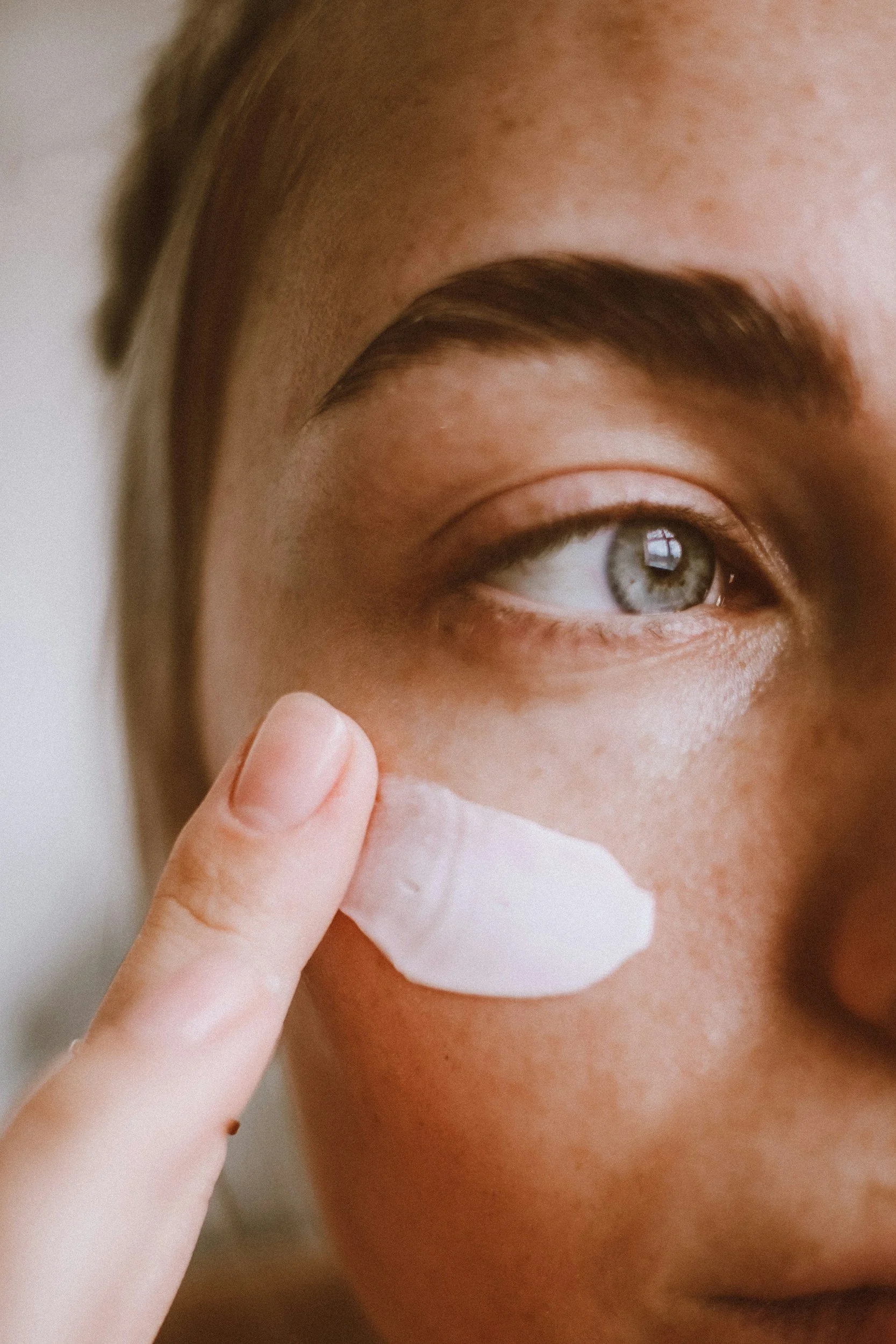
Your Skin After Summer: The Transition Routine That Repairs the Season’s Accumulated Damage and Prepares Your Skin for Fall
After months of sun, chlorine, saltwater, and reapplying sunscreen (or not reapplying it quite as often as we should probably admit), your skin arrives in September with its own list of unfinished business. It is not “ruined” skin, but it is skin that has accumulated months of exposure and needs a real change in routine—not simply a different moisturizer because the temperature has dropped.
Hydrated Summer Skin: The Oils, Creams, and Rituals That Make the Difference Between Dull and Glowing Skin
Summer glow isn't simply the result of a tan. It's the result of healthy-looking, well-hydrated, well-cared-for skin underneath it.
During summer, the body's skin faces several sources of moisture loss at once: sun exposure can increase water loss from the skin, chlorine can disrupt the skin barrier, and salt water can leave salt residue behind that contributes to dryness.
The result can be skin that feels rough, tight, or dull—even when you're getting plenty of sunshine.

Summer Hairstyles That Last All Day: How to Fix Your Hair in Five Minutes When the Heat Won't Let Up
Hair holds its shape partly through hydrogen bonds between the keratin proteins that make up the hair fiber. When humidity is high, water interacts with the hair fiber and can disrupt those temporary bonds, allowing the hair to return toward its natural shape.
That's why the hairstyles that work best in summer are the ones that work with summer conditions rather than fighting them.
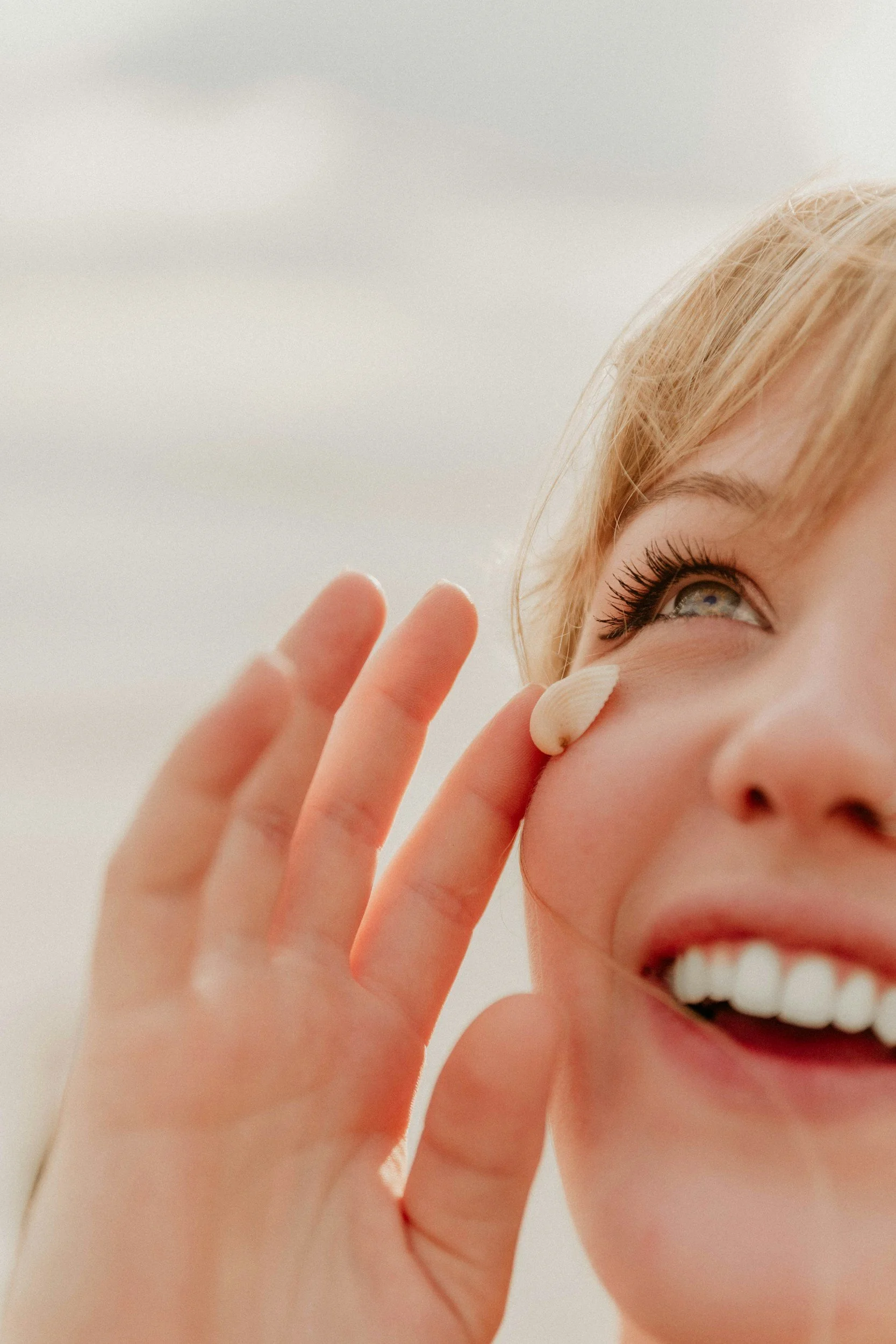
Post-Sun Skincare: The Nighttime Routine That Helps Repair the Day's Damage—and That Most People Skip
UVB rays can cause direct DNA damage in skin cells, while UVA rays contribute to oxidative stress and damage to collagen and elastin in the dermis. This damage may not produce visible symptoms immediately, but it accumulates with repeated exposure.
Dehydration is another major part of summer skin stress. Sun, wind, chlorine, and salt can all contribute to water loss from the skin barrier, affecting both its protective function and the overall appearance of the skin.
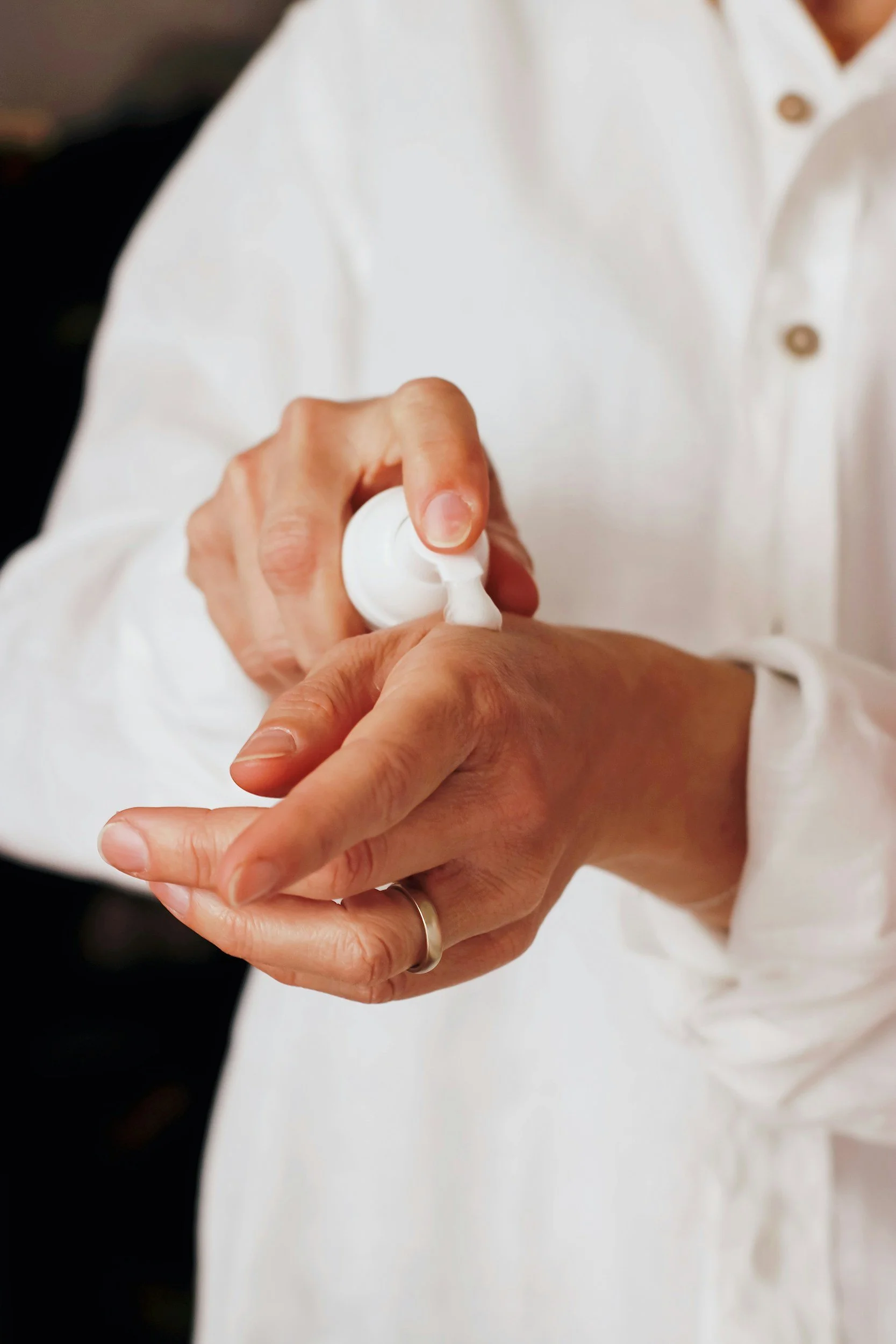
Minimalist Vacation Skincare: The Three-Step Routine That Protects Your Skin When You Don't Have Time or Space for Anything Else
The performance curve of a skincare routine isn't linear. The first product—cleanser—often provides disproportionately large benefits because without clean skin, subsequent products can't work as effectively. The second—sunscreen in the morning or a targeted recovery product at night—provides the next major benefit. The third—moisturizer—completes the basic care cycle.
A three-step vacation routine isn't an inferior version of your usual routine. It's a version adapted to the specific conditions of being on vacation.

Hair in the Pool and at the Beach: The Complete Routine to Keep Water From Destroying Everything You've Worked So Hard to Maintain
Chlorine is an oxidizing agent that can damage the hair's protective cuticle and contribute to changes in the inner structure of the hair fiber, resulting in increased dryness, fragility, and breakage. Salt water can also leave salt crystals on the hair that contribute to moisture loss, leaving it feeling dry, stiff, and more prone to tangling.
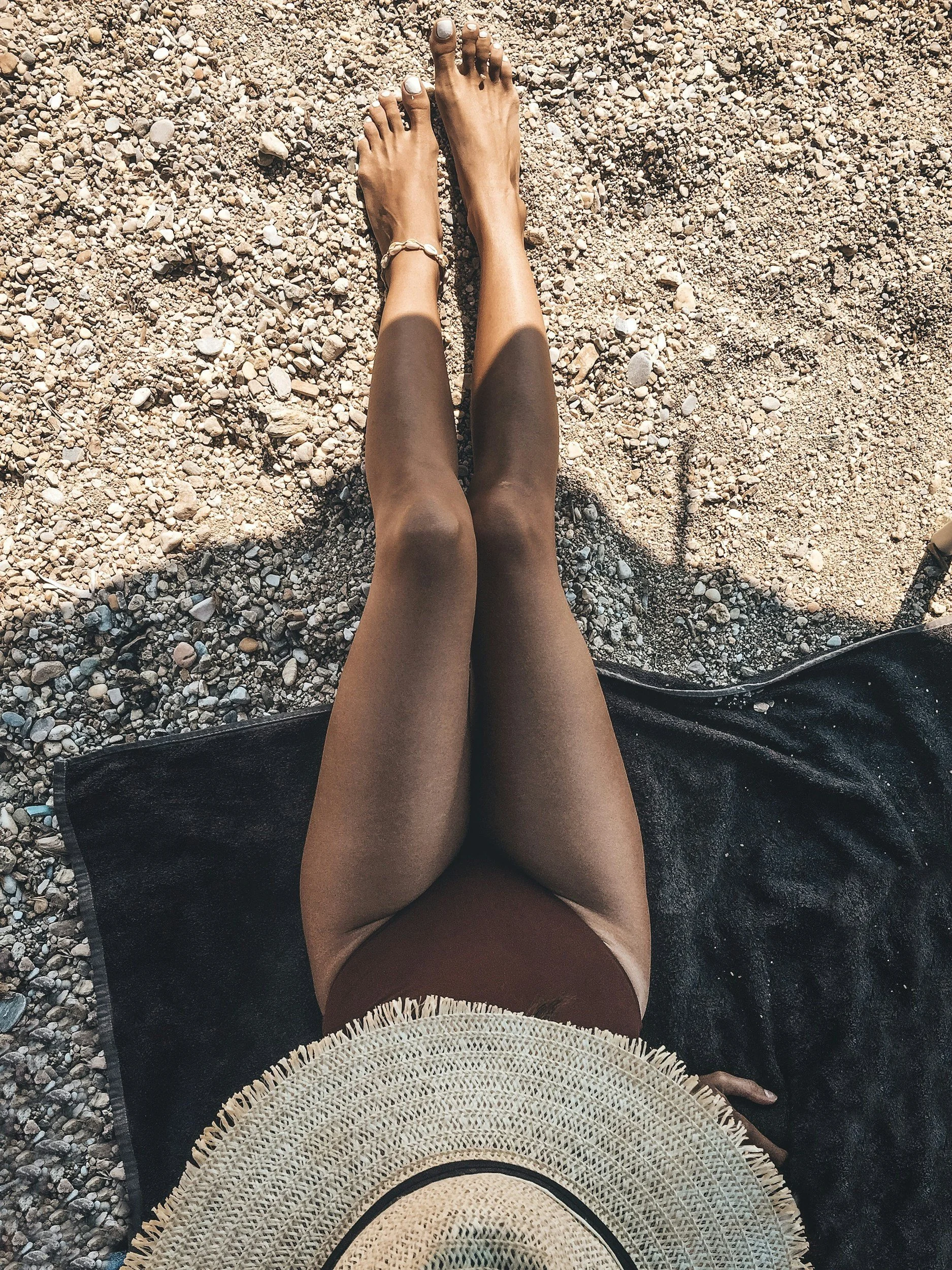
The Tan That Doesn't Damage Your Skin: How to Get That Summer Glow Without Putting Your Skin at Risk
A tan is actually the skin's defense response to damage caused by ultraviolet radiation to the DNA of epidermal cells. Melanocytes respond by producing melanin in an attempt to absorb UV radiation and protect genetic material. The darker color we recognize as a tan is that melanin at work.
For people with darker skin tones, the absence of visible sunburn can create the false impression that the skin is completely protected, even though UV-related DNA damage can still occur.
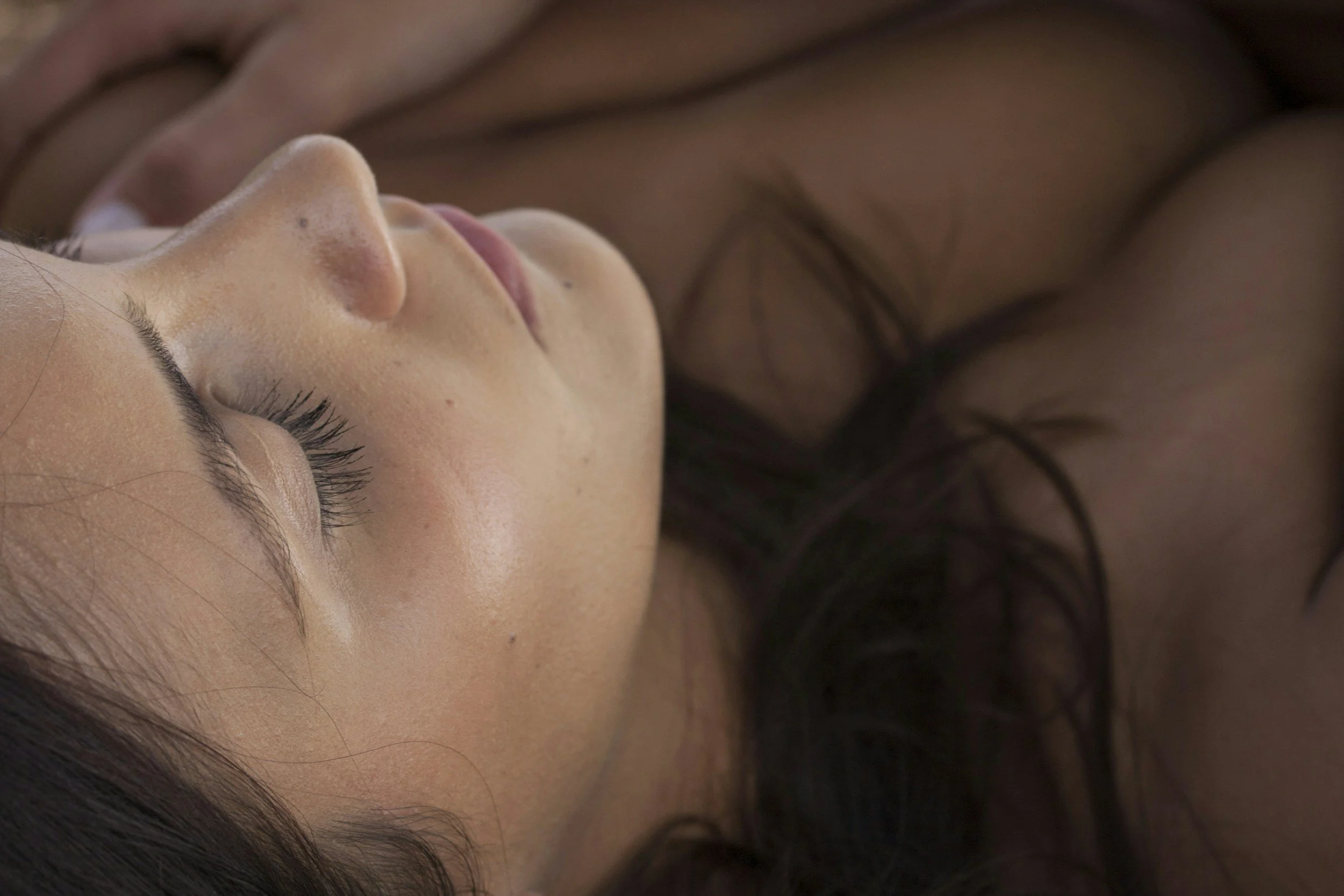
The Power of Rest for Your Skin: What Really Happens While You Sleep and How to Maximize It With Three Steps
What happens to the skin during sleep is not a metaphor. It is physiology. It is a set of specific biological processes that only occur during sleep and that no cosmetic product can replicate if sleep is not present. Growth hormone, which stimulates collagen production and the repair of cellular tissue, is released primarily during deep sleep. Nights of insufficient sleep reduce that collagen production cumulatively, with visible effects such as loss of firmness and increased depth of expression lines.

The Natural Oils Every Latina Should Have in Her Beauty Routine (That Are Already in Your Kitchen)
Natural oils are perhaps the clearest example of where the modern beauty industry meets "Abuela’s" traditional wisdom. For generations, Latin American women have used these ingredients for their hair, skin, and nails—achieving results that cosmetic science took decades to validate. Today, these same oils are enjoying a "second life" in contemporary beauty, rebranded with sophisticated names and designer packaging at prices that rarely reflect a real difference in quality from the original ingredient. This guide shows you how to use these oils directly, skipping the luxury price tag.
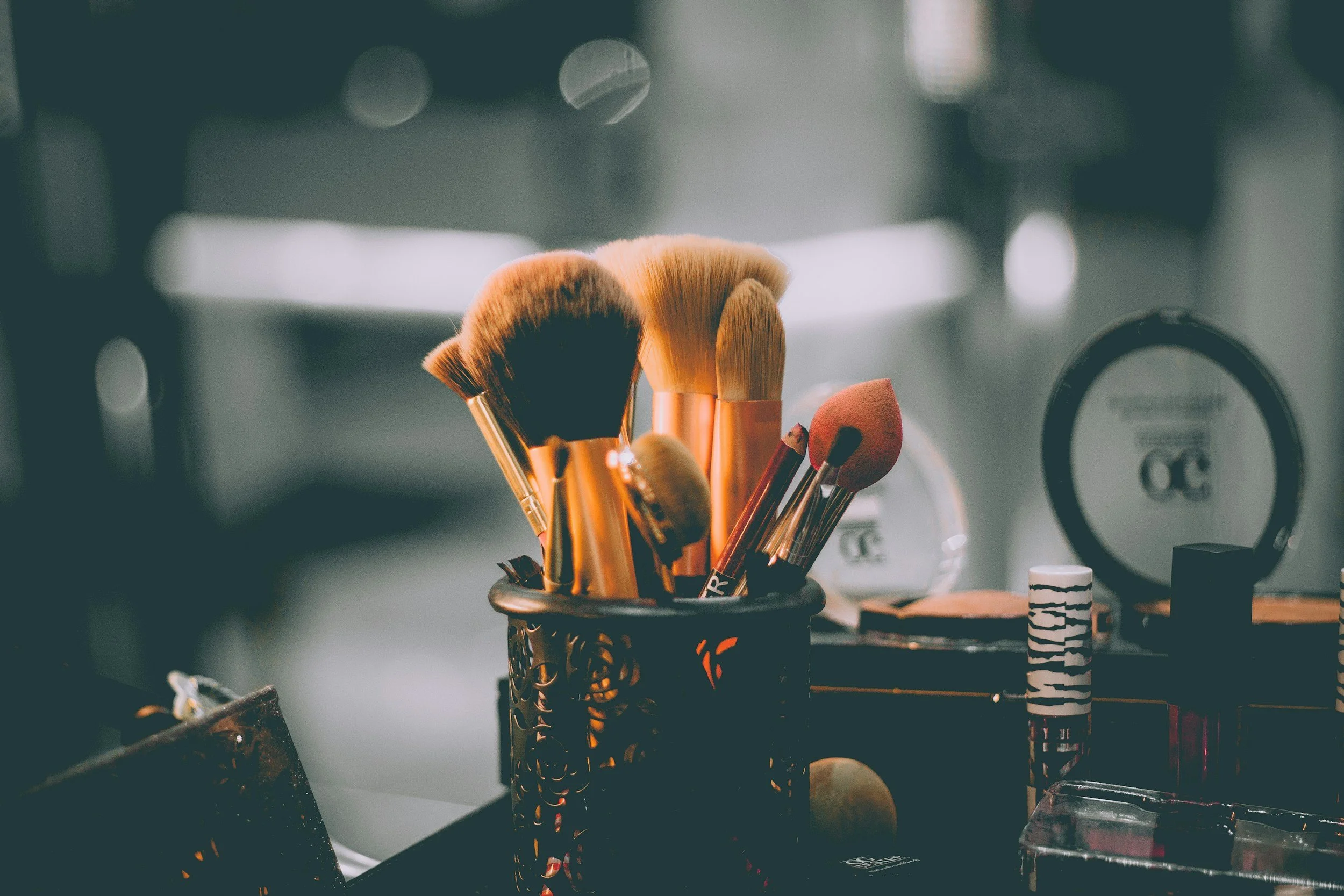
Heat-Proof Makeup: Rethinking Your May Routine for All-Day Wear
When makeup melts in the heat, it’s rarely due to poor product quality or lack of skill. It happens because most routines are designed for moderate temperatures and controlled humidity—conditions summer simply doesn’t provide. Heat attacks makeup in two ways: increased sebum production acts as a solvent that dissolves foundation and concealer from the inside out, while sweat breaks down water-soluble components, creating a film that prevents makeup from gripping the skin.
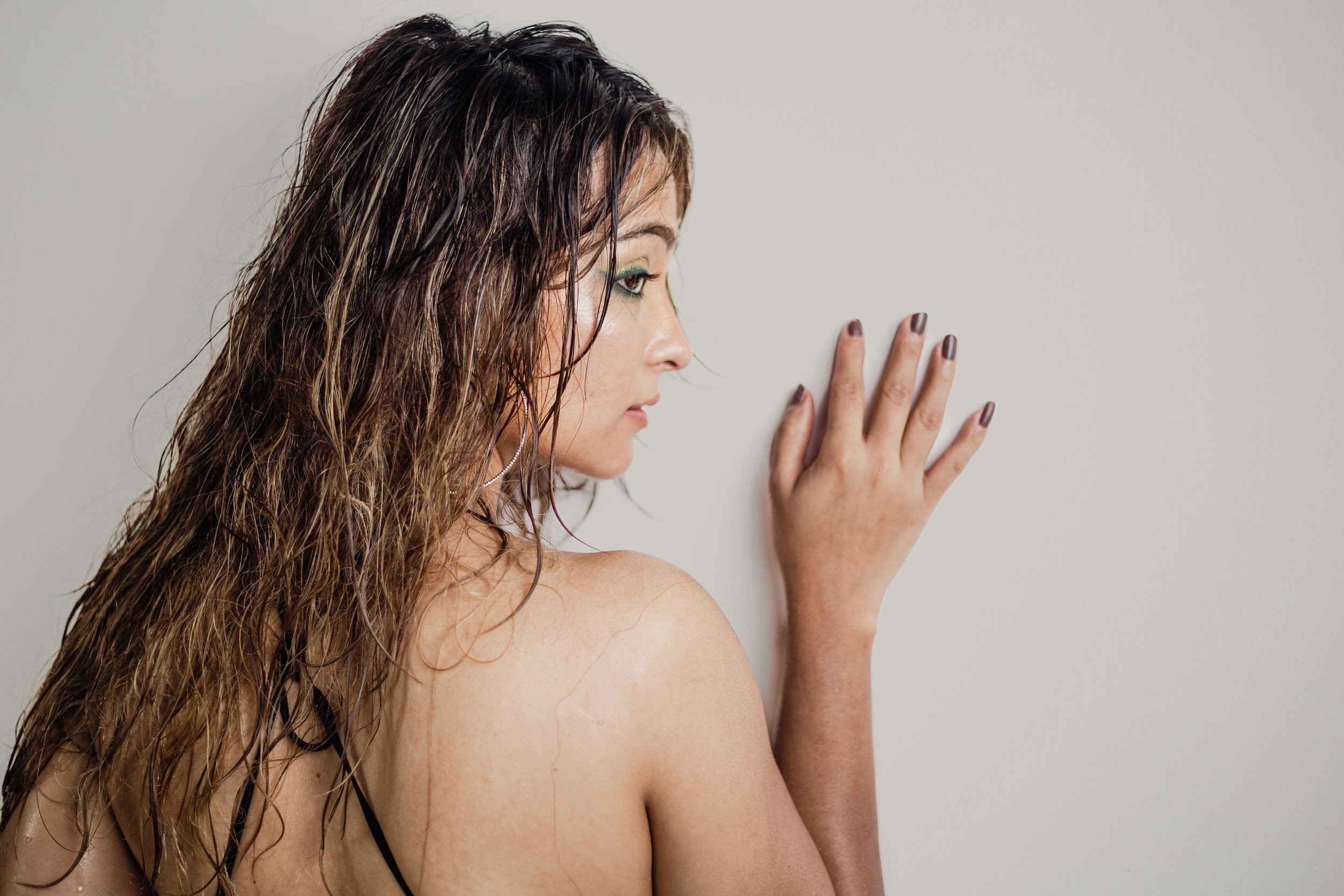
Mastering Humidity: A Complete Guide to Keeping Your Hair Summer-Ready and Stress-Free
Humidity is an adversary many Latina women face every summer without the right toolkit—not because solutions don't exist, but because common advice often ignores specific hair types and climate conditions. Hair is primarily made of keratin with a helical structure held together by water-sensitive molecular bonds. When hair absorbs environmental moisture, these bonds break and reorganize, causing the hair to revert to its "natural" state in the presence of water.